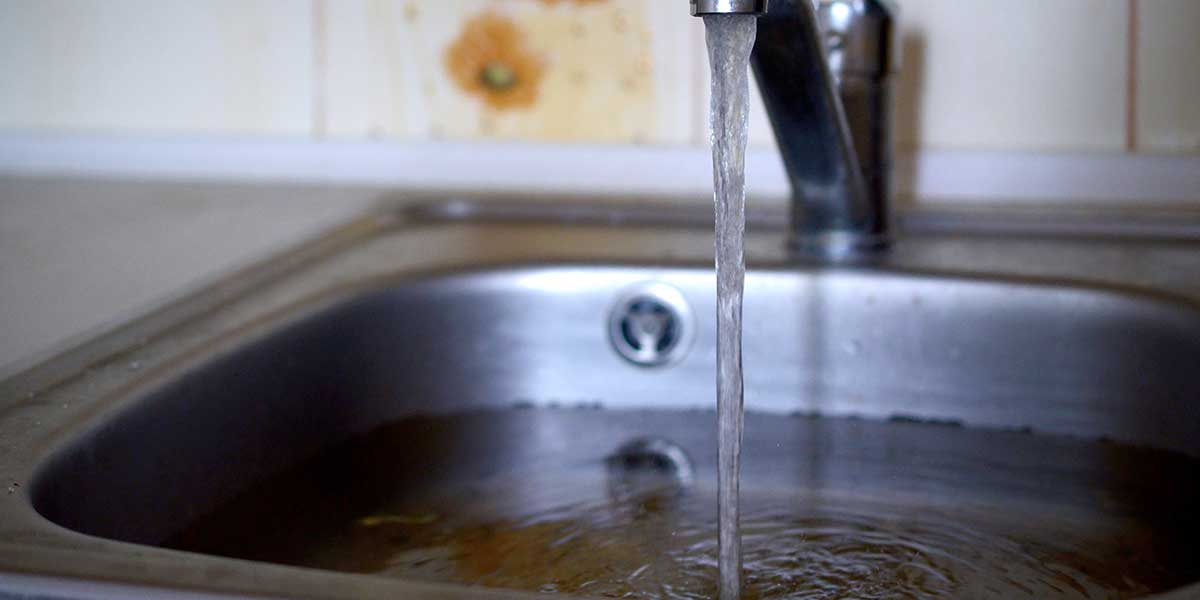
You’re halfway through the dishes when the water just stops draining. You poke at the drain, but nope. It’s not going anywhere. Now what?
As plumbers in Bainbridge, GA, we deal with more than our share of clogged sinks. And we know that water backing up in your kitchen sink is frustrating. The good news is that it’s usually fixable.
Before you reach for that plunger, it’s worth understanding why it happens. Let’s reveal the most common reasons for water backing up in kitchen sinks and how to stop them.
1. Clogged Drain
The most common cause of water backing up in kitchen sinks stems from a simple clog in the drain. Over time, food scraps, coffee grounds, and soap residue can accumulate in pipes, narrowing the water passage. Eventually, water can’t flow freely and backs up into your sink.
Try a plunger first. If that doesn’t do the trick and get the water draining again, pour some hot (not boiling) water down the drain. Some folks swear by pouring a mixture of baking soda and vinegar down the drain, too, and it’s worth a shot before calling in backup.
Grease buildup is also the reason for common sink problems. Pouring fats, oils, or greasy liquids down the sink might seem harmless, but they’ll cool and harden in the pipes. The sticky grease then traps food particles, which can form a stubborn clog that you’ll find tough to remove.
If you suspect grease is the culprit, try flushing the drain with a mix of hot water and dish detergent to soften and move some of the grease. But severe grease blockages require professional-grade drain-cleaning equipment to clear the line entirely.
2. Blocked Garbage Disposal
A garbage disposal is convenient, but it could also explain why water’s backing up in the kitchen sink. If you grind fibrous foods like celery, potato peels, or eggshells, these materials can cause the blades to jam or the disposal chamber to clog, stopping water from flowing through.
To deal with a blocked garbage disposal, turn it off and check for visible obstructions using tongs or pliers for safety. Then, press the reset button underneath the unit and try running it again. If it still doesn’t drain, you may need to have the disposal professionally cleaned or repaired.
Pro tip: Always run cold water while running the disposal, and for a few seconds afterward. It helps flush out debris and prevents a clog.
3. Drain Pipe Obstruction
Sometimes the issue isn’t near the sink at all. It’s deeper down in the plumbing system.
A drain pipe obstruction could be why water is backing up in your kitchen sink. This type of blockage often forms in the curved section of the pipe (the P-trap) or farther down the line.
The P-trap holds water to block sewer gases from entering your home. But it can also collect debris over time. If you’re comfortable doing light DIY, you can put a bucket under the trap, unscrew it, and clean it out.
However, if the obstruction is deeper in your home’s plumbing system, it’s best left to the professionals to prevent water from backing up in the kitchen sink.
4. Plumbing Vent Blockage
Did you know your plumbing system “breathes”? It’s true. Plumbing vents allow air into the pipes to help water flow smoothly.
But when there’s a plumbing vent blockage, water can’t drain properly, leading to gurgling sounds, slow draining, and water back-ups. Most vent pipes extend through the roof, so leaves, debris, or even bird nests can block vent pipes. While you might want to grab a ladder and check yourself, it’s safer to let a licensed plumber handle it.
5. Sewer Line Backup
Here’s the one every homeowner hopes won’t happen: a sewer line backup. When the main sewer line becomes blocked (often by tree roots, grease, or debris), wastewater has nowhere to go. It can push back through your drains, starting with the lowest point in your plumbing system, which is often the kitchen sink.
You may have a sewer line issue if multiple drains in your home back up at once (like the sink, toilet, and tub). It’s not something you want to ignore, since a full sewer backup can cause severe property damage and health hazards.
6. Improperly Installed or Damaged Pipes
If your plumbing was installed incorrectly or your pipes have shifted over time, water may not drain the way it should. Poor alignment, corrosion, or even cracks in the drain lines can restrict flow and lead to recurring backups.
Signs of damaged pipes include persistent clogs, leaks, or foul odors. That’s when you know it’s time to call for help.
Put Down the Drain Cleaner and Call a Professional
It’s tempting to pour a bottle of chemical cleaner down the sink when you see water backing up in the kitchen sink, but that simple fix will only temporarily solve the problem. Plus, it may make it worse. Harsh chemicals can corrode pipes, damage seals, and create more problems over time.
Instead, try safer alternatives like enzyme-based cleaners or call a professional plumber. Investing in eco-friendly drain cleaning services is more effective and safer for your plumbing system.
A minor clog might be something you can handle with a plunger or a natural cleaner. But if you notice repeated backups, gurgling noises, or foul smells, it’s time to bring in the pros. Ignoring the problem will mean expensive repairs down the road.
Say Goodbye to Sink Backups With Help From Cooper’s Plumbing & Air
No one likes dealing with water backing up in kitchen sinks, but understanding what causes it is the first step toward fixing it and keeping it from happening ever again. Whether it’s grease buildup, a blocked garbage disposal, or a sewer line backup, or you’ve noticed a problem like the sink leaks underneath, Cooper’s Plumbing & Air has the experience and equipment to handle it all. Don’t wait until a minor clog turns into a plumbing emergency.
Call (866) 464-7132 today for fast, reliable service in Bainbridge, GA.