
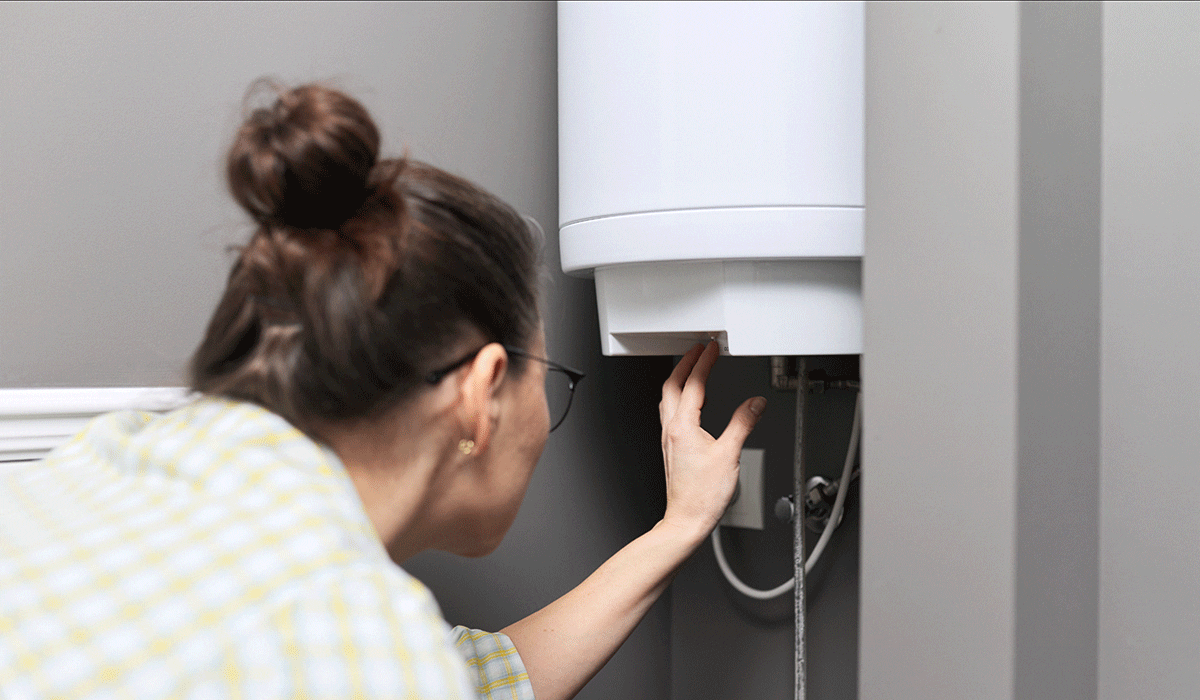
A water heater is an appliance that most people don’t think much about unless it stops producing hot water or begins making odd noises. Why does a water heater make popping sounds, and should you worry about it? Licensed plumbers in Bainbridge, GA, would normally recommend a service call to remove sediment buildup when hearing these noises.
Why Sediment Builds Up and Causes Popping Noises
Sediment includes a collection of minerals inside the tank originating from the water source. Using hard water, which contains high levels of dissolved minerals like calcium and magnesium, causes the buildup inside the appliance.
If you could see the sediment collecting inside the tank, most of it would resemble crusty flakes that may sit on the bottom or cling to the parts inside the tank. They would have a gray or brown color. Fine sediment may resemble sand or sludge.
As the flakes settle in the bottom of the tank, they trap pockets of water. When the heating element warms the water in the tank, the trapped water eventually pops loose, creating the noise. The mineral buildup restricts water flow, too, which can cause noises as the flow eventually dislodges the flakes or moves the crusty buildup.
Flushing the Tank Removes the Sediment
So, why does a water heater make popping sounds, and will eliminating the sediment always resolve the issue? Although corrosion, rust, and expanding metal in the tank can cause these noises, sediment buildup is the primary explanation. To fix the problem, plumbers recommend flushing the water from the tank and removing the sediment. They can perform this work in a single appointment, allowing you to regain access to your hot water.
Before flushing the tank, the plumbers will turn off the circuit breaker serving the appliance. For natural gas appliances, they’ll adjust the gas setting to “pilot only.” They then turn off the water supply to the tank.
The appliance has a drain valve near the base. The plumbers will attach a garden hose to the valve and run all the water out of the tank. If you have a nearby floor drain, they can use it. Otherwise, the draining process can take a while because they have to fill buckets. Plumbers use caution when draining the tank because the water inside will be hot.
Most of the sediment drains away during this process, which is why the drained water looks cloudy. However, the plumbers may need to refill the tank with a little water and repeat the draining process several times to remove all the minerals. Once the water runs clear, the tank is clean.
A plumber would recommend flushing the tank and removing the minerals at least once a year. Such actions should extend the lifespan of the appliance.
How To Reduce Sediment Buildup
Because hard water causes sediment to collect in the bottom of the tank, the best solution is to install a water softener. The softener negates dissolved minerals after the water enters your home. It delivers benefits to all your appliances, as sediment buildup can also shorten the lifespan of washing machines, dishwashers, and even plumbing pipes.
Installing a softener will reduce the amount of buildup. However, you may eventually hear the noises again in the future, and ask yourself, “Why does a water heater make popping sounds after I took steps to reduce sediment?” Buildup is going to happen again eventually, but you will need mineral deposits removed less often after installing a softener.
Another helpful step is setting the water temperature at 120 degrees Fahrenheit. This is hot enough to provide the desired benefits without placing stress on the appliance. Using a higher temperature setting increases the speed at which minerals separate from the water and settle at the bottom of the tank.
Some plumbers recommend using an insulating jacket over the tank. This material reduces temperature fluctuations inside the tank, which can increase the speed at which minerals separate from the water.
Why You Shouldn’t Ignore the Popping Noises
So, why does a water heater make popping sounds, and is it always related to sediment on the bottom? If your appliance is 10-plus years old, multiple problems could occur. A process called thermal buildup, where the metal in the tank expands and contracts from temperature changes, could cause some muted popping noises. (Hearing louder, consistent pops nearly always relate to sediment, though.)
Constant thermal expansion can lead to a premature failure of the tank. At that point, a plumber might recommend replacing the tank, rather than risking an unexpected rupture or spending money flushing it.
Some popping noises relate to rusting inside the tank. You wouldn’t see the rust, but it causes uneven heating of the water, leading to the noises. Plumbers may recommend a replacement if the rusting is severe.
Before installing a new water heater, though, you should take steps to reduce the possibility of sediment buildup by using a water softener. Scheduling regular professional maintenance visits on the new appliance can help it last as long as possible, too.
Even if you’re hearing knocking sounds with a newer water heater, you shouldn’t ignore them. They may indicate that the tank is not heating the water evenly, which could cause an increase in your utility bills. If the tank is not working properly and overheats the water, you risk breakdowns of the temperature and pressure (T&P) valve or other components. A plumber can perform maintenance to correct the issue.
Trust Cooper’s Plumbing & Air for Any Water Heater Services You Need
Whether you have issues with a water heater that stopped working or are hearing odd noises from the appliance, Cooper’s Plumbing & Air can help. Why does a water heater make popping sounds, and does it mean replacement is necessary? Our team will find the source of the knocking or popping noise, and we can often fix it by using the tank flushing technique.
We can perform regular maintenance on the appliance, too, giving you the best possible energy efficiency. For an appointment, contact us today at (866) 464-7132.