Backflow isn’t an issue many homeowners actively think about. After all, their property likely has a backflow prevention device that keeps water from reversing direction and contaminating their clean supply line. However, that device needs regular testing to remain reliable.
How long does backflow testing take? Read on as we take a closer look at backflow testing procedures and highlight the professional services available from our plumbers in Bainbridge.
What Is Backflow Testing?
Backflow testing refers to the formal inspection of your property’s backflow prevention device. The inspection is handled by a certified backflow-prevention assembly tester and is meant to verify that your device is functioning as it should. A professional backflow inspection is required annually for certain properties.
What Does Backflow Testing Involve?
To understand how long backflow testing takes, it helps to know what the process involves. Here’s what you can expect a tester to do when performing the evaluation.
Isolate the Device
First, the tester will shut off the downstream water supply. This creates a controlled environment and ensures that their pressure readings are not affected by water usage elsewhere in your home.
Connect the Differential Pressure Gauge
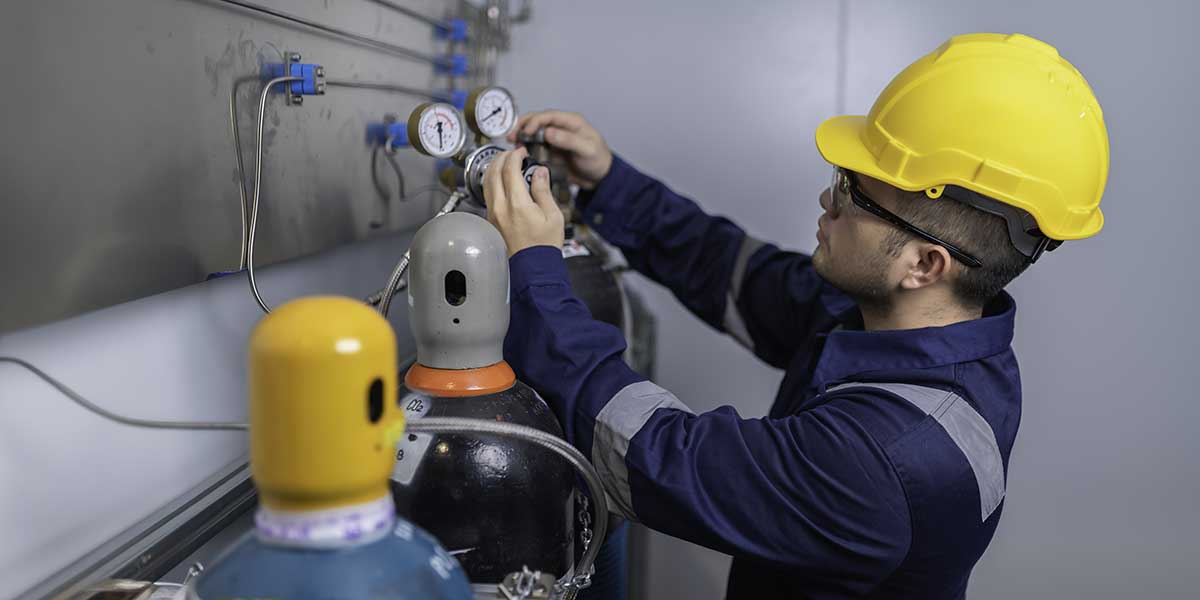
The tester will then connect a specialized differential-pressure gauge to the device’s test cocks to measure the pressure differentials across its check valves.
Open the Valves
Next, they will open the valves in a specific order to allow for accurate pressure readings.
Record and Assess Pressure Readings
The tester will record the readings at each stage and compare them with the required thresholds. Readings outside the acceptable range may indicate that the backflow prevention device needs repair or replacement.
Physically Inspect the Device
The tester will inspect the assembly and surrounding area for visible leaks, damage, or improper installation.
If the backflow prevention device fails its pressure checks, the tester will inspect its internal components. This will entail checking the valves, springs, and rubber seals for any signs of wear or mechanical failure not evident in the pressure readings.
Submit the Results
If legally required, your tester will file the completed test results with the local water authority. If the device requires repairs, the tester will schedule a follow-up test to confirm its performance.
Backflow Testing Duration Factors
How long does backflow testing take? Unfortunately, this question doesn’t have a fixed answer. Various real-world conditions can either lengthen or shorten the inspection.
That said, a straightforward test may take up to 40 minutes, while troubleshooting or repairs can extend the appointment beyond an hour. Ultimately, the testing time depends on the following factors.
Device Type and Size
Testing simple assemblies usually takes less than an hour. However, larger, more complex assemblies could take much longer. This is because such units require more intricate valve checks and pressure readings.
Device Accessibility
How hard is it to access your backflow prevention device? If the device is out in the open, the tester will be able to set up and begin testing as soon as possible. Unfortunately, devices in tight utility rooms or behind landscaping will take longer to access and test.
System Condition and Age
Newer, well-maintained devices are generally quicker to test. Older units, however, tend to be more susceptible to sediment fouling, corrosion, and mineral scale, so they may require extra diagnostic time.
Need for Adjustments or Repairs
Testing is typically much quicker if your device passes the initial pressure test. If it doesn’t, the tester has to take extra time to diagnose the cause and make minor adjustments or repairs. In such a case, the testing could take more than an hour, depending on how severe the issue is.
The Importance of Backflow Testing
The thought of potentially spending more than an hour waiting for a tester to inspect your backflow prevention device can seem like an inconvenience. However, that time can help prevent serious problems. Here’s why regular backflow testing is vital.
Prevents Contamination
It’s okay not to know all about backflow preventers. However, you should never underestimate the threat of the contaminants that could enter your water supply if the device fails. Contaminants can range from pesticides to raw sewage, all of which pose serious health risks.
The longer a failed backflow prevention device remains unrepaired, the longer your water system may be exposed to contamination. Regular testing helps identify failures so they can be corrected promptly.
Ensures Safe Drinking Water
A reversal of water flow in your plumbing system can easily contaminate your home’s clean water supply. While your backflow prevention device helps prevent this reversal, it won’t always be in tip-top shape.
Its seals and check valves can deteriorate over time, weakening the barrier between your clean water supply and potential contaminants. Regular testing helps ensure that you still have safe drinking water.
Ensures Legal Compliance
In many states, backflow testing is a legal requirement for specific properties. Failing to test your device on time or failing to submit results can lead to costly fines or service interruption.
Knowing When You Need Backflow Testing
While there are annual backflow testing requirements, you may occasionally need additional testing. Here are some situations in which scheduling professional backflow testing could prove valuable:
- After a significant pressure change
- After a main line break
- After installing a new backflow prevention device
- When property ownership changes
- After system modifications
You should also keep an eye out for any worrying signs, such as an unusual taste in the water, discolored water, or strange pressure changes.
Keep Your Water Supply Protected With Professional Backflow Testing
When homeowners are making their plumbing maintenance checklists, they might skip backflow testing. What they may not realize, however, is that ensuring their property’s backflow prevention device is in tip-top shape is crucial to safeguarding their clean water supply.
Are you in need of professional backflow testing services? Want to know how long backflow testing takes? Turn to the experienced plumbers at Cooper’s Plumbing & Air.
Whether you need routine testing or backflow repair services, you can trust us to offer reliable solutions every time. Call us at (866) 464-7132 to schedule services.