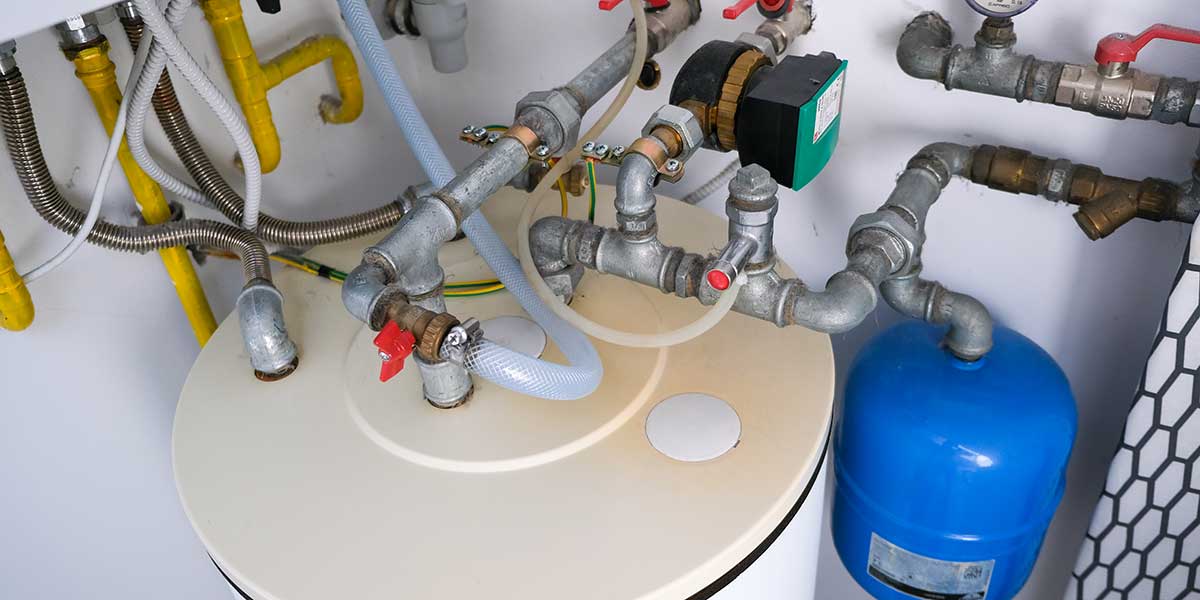
As long as they continue to get hot water, many Bainbridge homeowners won’t pay attention to their water heater. This often leaves them in the dark about the essential components that allow it to function as intended. One of those components is the water heater anode rod.
What is a water heater anode rod? What role does it play in your heater, and how can you know when it needs replacing?
Read on as we take an in-depth look at your heater’s anode rod, explaining its purpose and showing you when to turn to professional plumbers in Bainbridge, GA, to have the rod replaced.
What Is a Water Heater Anode Rod?
Anode rods refer to long metal rods, normally three to five feet long, that run down the inside of water heater tanks. They are made from reactive metals, such as zinc, aluminum, or magnesium, and work to prevent the corrosion of water heater tanks.
Magnesium rods are the most common because of how well they work in a wide range of water conditions. For homes with hard water, though, aluminum or aluminum-zinc rods are a better fit. What’s more, these rods may reduce rotten-egg odors.
However, tankless water heaters don’t use anode rods. Since these units heat water on demand, they don’t need to store water in a tank.
How an Anode Rod Prevents Water Heater Corrosion
Corrosion is quite common in water heater tanks. This is because of the interaction between the metal and the dissolved minerals in the water.
The purpose of a water heater anode rod is to release electrons that help protect exposed steel within the tank. The rod does this through a process called galvanic corrosion.
Basically, when two different metals become submerged in water at the same time, one corrodes faster than the other. Since anode rods are made from more reactive metals, they will corrode before the steel tank does.
When To Replace a Water Heater Anode Rod
Your anode rod won’t last forever. The minerals in the water will corrode the rod until only a thin wire remains or the rod is completely depleted. At this point, corrosion will begin affecting the exposed steel in the tank.
Thankfully, knowing when to replace the anode rod will help ensure your tank remains protected from rust. While most experts recommend inspecting your anode rod every three to five years, its replacement frequency will depend on the factors below.
Anode Material
Different reactive materials wear at varying rates. For instance, magnesium anode rods provide stronger protection but may be consumed faster than aluminum, depending on water chemistry.
Water Chemistry and Hardness
The nature of your water can speed up the corrosion of your anode rod. This is especially true if you have hard or acidic water.
Using water softeners can also accelerate the corrosion of your anode rod. This is because the additional sodium in the softened water will create a more conductive environment.
Calcium Buildup
The anode rod must remain exposed to the minerals in the water. Unfortunately, this can be problematic if there is calcium buildup. This is because the white calcium carbonate scale can coat your rod and interfere with the electrochemical reaction that protects your tank.
Hot Water Usage
Frequent hot water usage or higher thermostat settings can increase corrosion, shortening the time between anode replacements.
Signs Your Water Heater Anode Rod Needs Inspection
It can be hard to keep up with all the factors we’ve shared above and understand how they affect your rod’s rate of corrosion. In addition, you can only see your anode rod when you pull it out of your water heater.
The good news is that, although the rod is hidden from your view, your water heater may show warning signs when the rod needs inspection. Let’s look at a few examples of what to watch for.
Discolored or Rusty Hot Water
Your anode rod might be spent if the hot water has an orange or brown tint, but the cold water runs clear. This is a telltale sign that the tank itself is starting to corrode and needs professional inspection.
Rumbling or Popping Noises
While unfamiliar noises often point to sediment buildup in the tank, they signal the need for water heater maintenance, which is also a good opportunity to inspect and possibly replace the anode rod.
Rotten Egg Smell From the Water
Foul-smelling hot water is another reason to have a professional inspect the anode rod. A rotten-egg odor can develop when sulfate-reducing bacteria interact with sulfates and hydrogen produced during the anode’s protective reaction.
What Happens If You Fail To Replace the Anode Rod
Your water heater anode rod doesn’t directly affect your heater’s ability to provide hot water. As such, you might not be in a rush to replace the rod when you learn that it’s depleted. However, delaying replacement can damage the tank.
Once you deplete the anode rod, the exposed steel in the tank will become more vulnerable to corrosion. Over time, the corrosion will eat through the steel, leaving your tank with leaks that could cause water damage to walls, floors, and any items stored nearby. If the problem worsens, the tank could fail.
Protect Your Tank With Professional Water Heater Anode Rod Inspection and Maintenance Services
Your anode rod is quite easy to forget. However, its importance will become clear once it stops protecting your tank against rust and corrosion.
With regular maintenance, though, you can ensure your anode rod continues safeguarding your tank. If you want to skip the hassle of replacing your rod, consider installing a powered anode rod instead.
Whatever the case, you can trust Cooper’s Plumbing & Air to provide you with anode rod installation, inspection, and replacement services. We know how long a water heater should last and are dedicated to ensuring you get the most out of your unit’s lifespan.
Don’t wait for signs of a failing water heater anode rod. Call us today at (229) 442-9392.


