If your bathtub drain frequently backs up, leaving standing water behind, it’s likely clogged. This guide outlines safe and effective methods to clear it and explains when to call a professional.
Persistent drain clogs may signal underlying issues in your plumbing system or lead to water damage and are often the first sign that you need expert plumbing services. Read on to discover the most effective bathtub drain clearing methods and when it’s appropriate to seek help from a licensed plumber.
Follow These Tips To Clear a Clogged Bathtub
While you can safely attempt some DIY solutions for a clogged tub drain, it’s best to let the professionals handle more difficult or severe clogs. Chemical drain cleaners, snakes, and other invasive removal methods can damage your pipes without the necessary experience and training.
Remove the Stopper and Clear the Gunk by Hand
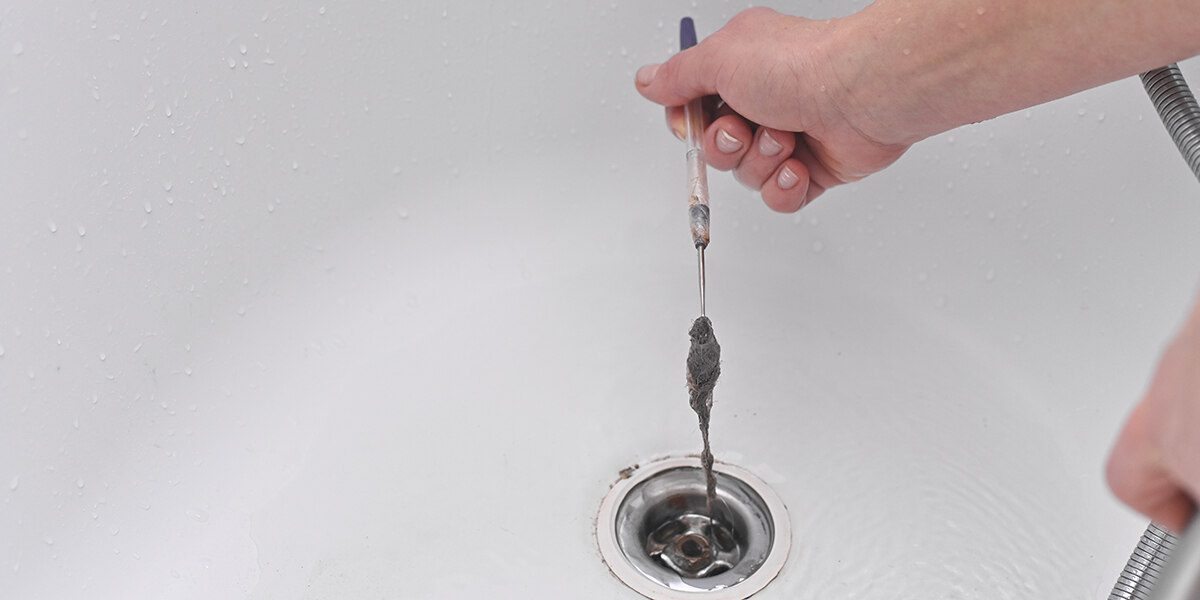
One of the easiest drain unblocking techniques is to remove the bathtub drain stopper and clear it by hand. The stopper helps close the drain when you want to fill the tub, but it often catches hair, soap scum, and other obstructions before they have a chance to go deeper into your pipes. While this is a good thing, you may need to clear it out periodically.
You can easily remove a hair clog from your bathtub yourself using the following steps:
- Take out the stopper. Some models can be removed by hand, while others require a screwdriver.
- Clear the debris by hand or use a tool, such as a modified coat hanger. You may wish to use rubber gloves.
- Throw the waste in the trash instead of flushing it down the toilet.
- Pour hot water down the drain to eject any remaining debris you loosened.
If that doesn’t resolve the issue, the clog may be deeper in the pipes, meaning that a more robust solution is required.
Pour Non-Corrosive Solutions Down the Drain
If you’re wondering how to unclog a bathtub drain, you may feel tempted to use chemical drain cleaner. However, store-bought cleaners often contain harsh chemicals that can actually wear down the inner lining of your pipes over time. Instead, consider pouring boiling water down the drain to dissolve soap scum and dislodge hair.
You’ll need at least 10 cups of water. Pour it slowly down the drain and chase it with a cup each of vinegar and baking soda. Let it sit for 20 minutes before you pour another batch of boiling water into the tub. This will also help deodorize the drain.
Use a Cup Plunger To Dislodge the Clog
Did you know that there are two different types of plungers? Flange plungers are probably the first things that come to mind and are what you would use to unclog a toilet. However, there are also cup plungers, which are smaller and provide better suction for flat surfaces.
For optimal results, avoid using the plunger in a simple up-and-down motion. Instead, try the following drain unblocking techniques:
- Remove the bathtub stopper and the overflow plate below the faucet. Plug the hole with a washcloth to prevent air from escaping.
- Position the plunger over the drain and run the hot water until it reaches a depth of about four inches.
- Thrust the plunger about one or two dozen times. Try to keep it straight rather than angling it to maintain a tight seal over the drain opening.
- Flush boiling water down the drain and test the tub to see if your solution was effective.
Some models of cup plungers have handles that you can pull to suck debris out of the pipe, rather than pushing it down.
Consider Using a Wet-Dry Vacuum To Suck Out the Blockage
When it comes to unclogging a bathtub drain, you may not think to use a wet-dry vacuum, but it often has enough power to remove moderate blockages that boiling water or a plunger can’t.
You start the process the same way as using a plunger. Insert the hose into the drain and seal with a wet rag. Set the vacuum to suction and run water to improve its power.
Apply suction in short bursts, checking periodically to see whether the clog has cleared. Remove the hose and clear any debris that has stuck to the drain, cloth, or vacuum. Flush the tub with boiling water.
Use a Drain Snake (With Caution!)
You may think a drain snake is a benign way to remove clogs from a tub. However, improper use of one may damage aging or corroded pipes. Even though snakes are available at your local home improvement retailer, they’re still better left to the professionals, who often have access to more powerful tools, such as an auger, that can clear more severe blockages that snakes might not be able to handle.
Prevent Future Blockages With These Expert Strategies
Now that you understand how to unclog a bathtub drain, you’re ready for prevention methods. While you can never completely prevent blockages from accumulating, you can reduce their frequency and severity with the following bathroom drain maintenance tips.
Schedule Professional Maintenance Annually
Have a professional plumber inspect your pipes annually. They’ll check your drains and provide any light cleaning as part of your appointment. The appointment will also identify other problems and handle any minor repairs to prevent clogs or leaks.
Stay Vigilant About What You Send Down the Drain
You can prevent most clogs by throwing certain substances in the garbage. For example, using a drain catcher will help deter the buildup of hair and soap scum in the pipes.
To prevent clogs deep in your system from affecting your tub, also avoid the following:
- Grease and oil
- Any sanitation product other than toilet paper
- Fruit peels and pits
- Dental floss and other stringy materials
Call Cooper’s Plumbing & Air for Reliable Plumbing Services
If home remedies haven’t worked, Cooper’s Plumbing & Air offers prompt solutions and ongoing plumbing maintenance to help preserve your plumbing system.
Call 866-464-7132 to schedule an appointment today.